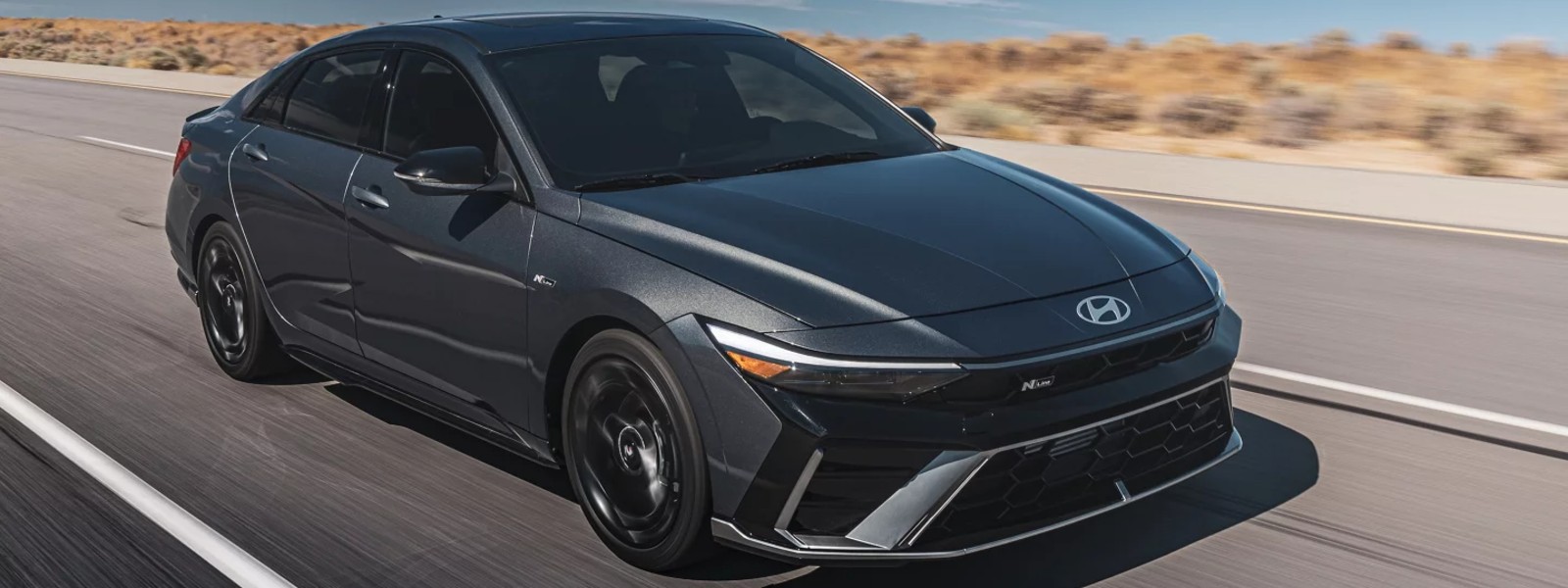
Thinking about buying an Elantra, or wondering if the one sitting in the driveway still has life left in it? Boucher Hyundai Waukesha fields this question from Waukesha drivers pretty regularly, and there’s good reason for it.
“How long do Hyundai Elantras last?” isn’t just a curiosity question; it’s a real factor in whether a car is a smart long-term investment.
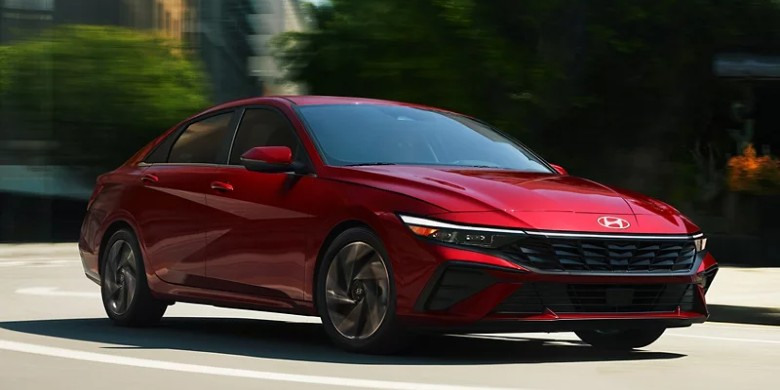
Most Elantras can hit somewhere between 200,000 and 250,000 miles with consistent care. That’s a solid 13 to 17 years of use for the average driver putting around 15,000 miles a year on the odometer.
“How many miles can a Hyundai Elantra last?” really comes down to how it’s treated, not just how it’s built.
That said, the engineering behind the Elantra gives it a strong head start. Hyundai has spent the last decade tightening up build quality, and it shows in long-term reliability data and owner reports alike.
Hyundai Elantra mileage life tends to track closely with basic maintenance habits: oil changes on schedule, timely fluid flushes, and not ignoring small noises or warning lights until they become expensive ones.
Climate matters too. Cars driven on salted winter roads or extreme heat tend to show wear sooner, especially on the undercarriage and battery. Stop-and-go city driving is harder on brakes and transmissions than steady highway miles.
None of that is unique to the Elantra, but it’s worth knowing before comparing it to other compacts on the lot.
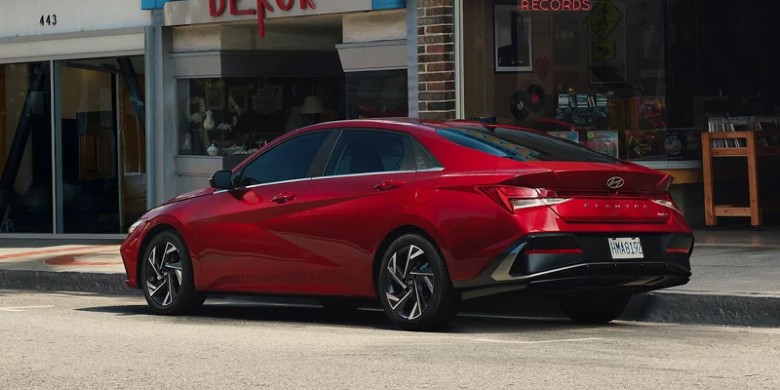
The Elantra generally holds its own against rivals like the Corolla and Civic in terms of long-term durability. It’s not automatically the class leader, but it’s squarely in the same conversation.
Hyundai Elantra life expectancy benefits from Hyundai’s improved manufacturing standards over the past several model generations, along with a warranty package that’s genuinely one of the best in the industry.
A 10-year/100,000-mile powertrain warranty on new models isn’t just a sales pitch; it reflects actual confidence from the manufacturer that the engine and transmission are built to go the distance.
Owners who stick with factory-recommended service intervals tend to report fewer major repairs before the 150,000-mile mark. The Elantra can fall short when maintenance is neglected; like most compacts, it’s not forgiving of years of deferred care.
| Factor | Impact | Example |
|---|---|---|
| Oil change frequency | High | Skipping intervals accelerates engine wear |
| Climate exposure | Moderate-High | Road salt speeds up undercarriage corrosion |
| Driving style | Moderate | Aggressive acceleration strains the transmission |
| Maintenance history | High | A documented service record supports resale value |
| Storage conditions | Low-Moderate | Garage-kept cars show less exterior and rubber wear |
Yes, in most cases, as long as the maintenance records back it up.
A high-mileage Elantra with documented service history is often a safer bet than a lower-mileage one with gaps in its records.
Mileage alone doesn’t tell the whole story. A car with 120,000 highway miles and consistent oil changes is usually in better shape than one with 60,000 miles of short trips and inconsistent care.
Buyers should ask for service records, check for rust in colder climates like Wisconsin, and have a trusted technician inspect the timing components, suspension, and transmission before committing. A pre-purchase inspection is a small cost compared to the risk of skipping it.
Boucher Hyundai Waukesha sees firsthand how far a well-cared-for Elantra can go, and Waukesha drivers who stay ahead of maintenance tend to be the ones still driving theirs a decade later.
Noticing a warning light, overdue for an oil change, or just curious what a well-kept Elantra is worth on trade? Scheduling a quick check at Boucher Hyundai Waukesha is an easy next step, and browsing current Elantra inventory is just as simple.
Anywhere above 100,000 miles is typically considered high mileage, though many Elantras run well past 200,000 with proper care.
Most modern Elantra engines use a timing chain, which generally doesn’t require the scheduled replacement a timing belt does.
Most Elantras need an oil change every 7,500 to 10,000 miles under normal driving conditions, though shorter intervals help in stop-and-go traffic.
No, Elantras are generally inexpensive to maintain compared to many competitors, with affordable parts and straightforward service needs.
Consistent maintenance, especially oil changes and prompt attention to warning lights, matters more than any single mechanical spec.