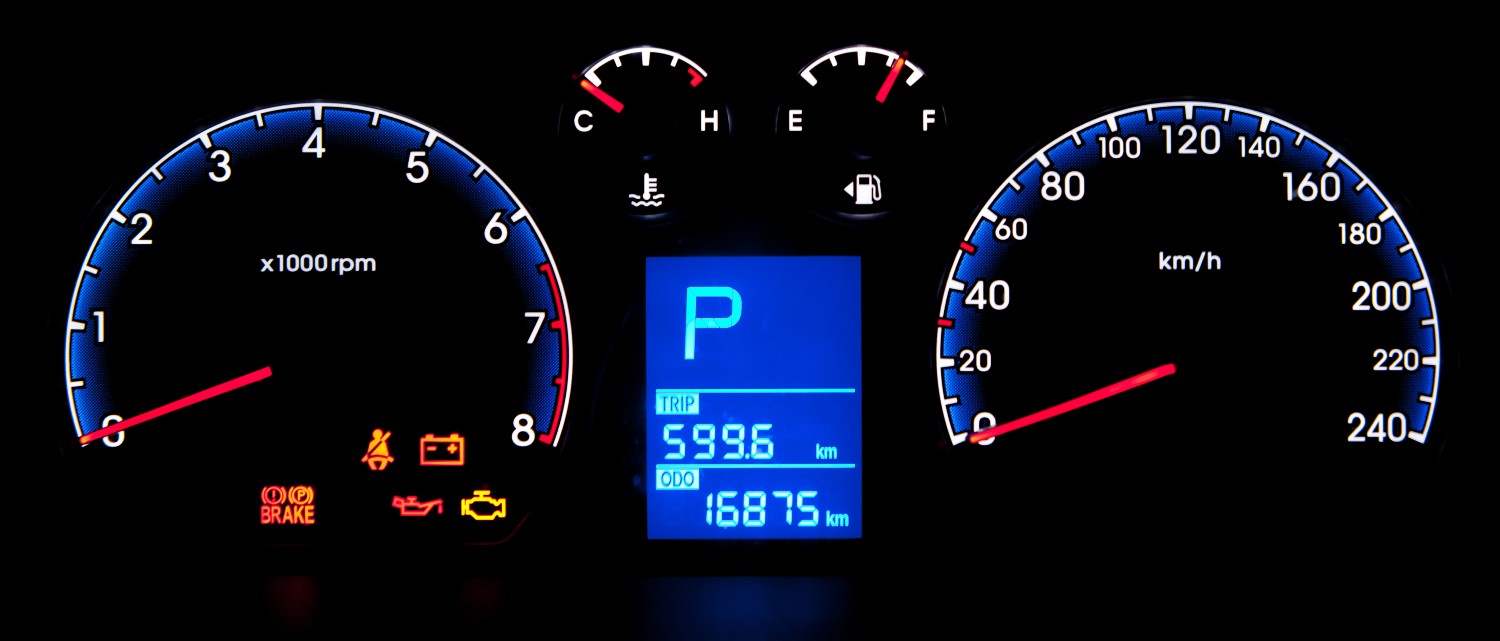
Drivers around Waukesha see Hyundai dashboard lights come on from time to time, and it’s completely normal to wonder what each symbol means. Some lights are gentle reminders, while others are your vehicle’s way of saying, “Hey, something needs attention.” At Boucher Hyundai of Waukesha, our team talks with customers every day about these alerts, and understanding them can make a big difference in how confidently you drive.
Modern Hyundai vehicles are packed with smart technology, and part of that tech includes a full range of Hyundai dashboard symbols and warnings. These lights help protect your engine, your safety systems, and ultimately your peace of mind. So, let’s break down the most common ones you’ll see and why staying on top of them matters.
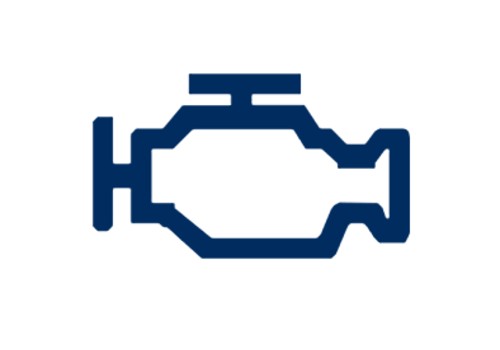
This is the one everyone recognizes—and the one that tends to cause the most stress. The check engine light can mean something as simple as a loose gas cap or something more serious like an emissions or engine performance issue.
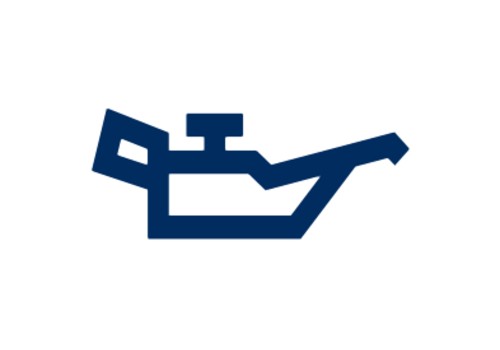
If this light pops up, your engine may not be getting the lubrication it needs. Low oil pressure or low oil level can cause major engine damage if left unchecked.
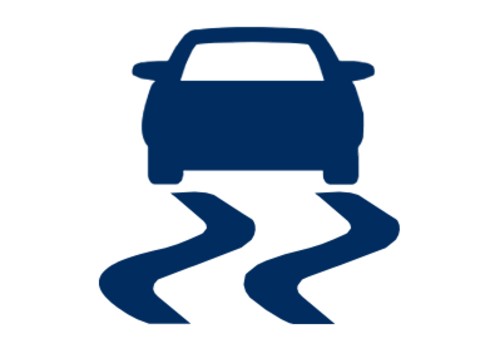
Hyundai’s traction and stability systems help keep your vehicle planted on slippery or uneven roads. When this light flashes, it usually means the system is actively working.

This light indicates that your vehicle isn’t charging properly. It could be a failing alternator, a weak battery, or even a loose connection.
When this light turns on, your engine is running hotter than it should. Overheating can cause serious internal damage, so pull over safely and let the engine cool.
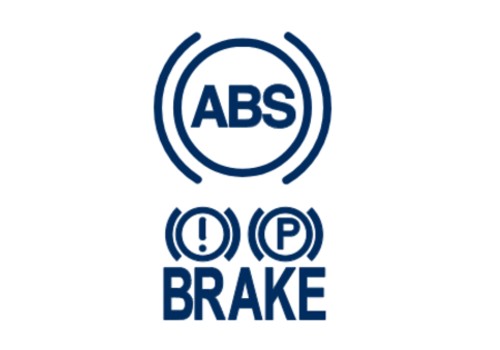
This light can mean a few different things: low brake fluid, a problem with the brake system, or even that the parking brake is still engaged.
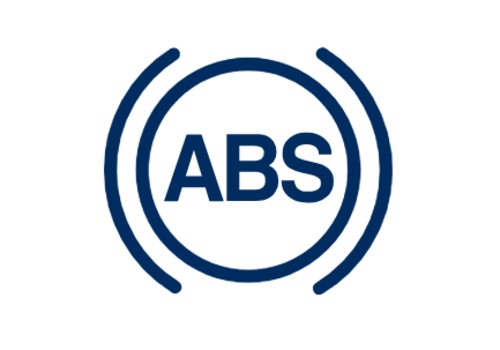
ABS helps prevent wheel lockup during sudden stops. If the ABS light comes on, your regular brakes will still work, but the added safety of ABS won’t be there.
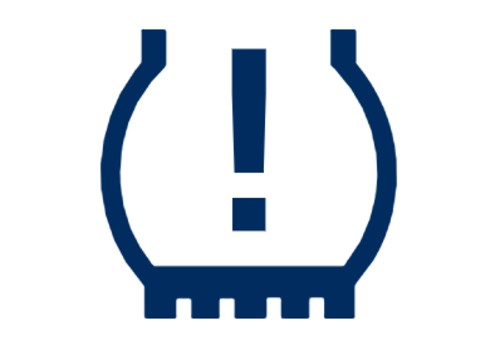
When the TPMS light appears, one or more tires may be underinflated. Cold weather, slow leaks, or punctures can all trigger it.
Dashboard lights aren’t just suggestions—they’re your vehicle’s built‑in communication system. Addressing issues early can prevent breakdowns, extend your Hyundai’s lifespan, and keep you safer on the road. At Boucher Hyundai of Waukesha, technicians use advanced diagnostic tools to pinpoint exactly what’s going on, saving you time and unnecessary repairs.
Dashboard lights don’t have to feel overwhelming. Once you know what each one is trying to tell you, it becomes much easier to react quickly and confidently. Every symbol serves a purpose, and paying attention to them is one of the simplest ways to protect your Hyundai’s performance. And whenever a light pops on, our team at Boucher Hyundai of Waukesha is ready to take a look and get you back on the road without the guesswork.
No—some require immediate attention, while others simply indicate a system needs inspection soon.
You can in many cases, but it’s best to have it checked promptly to avoid potential damage.
Tire pressure drops as temperatures fall, which can trigger the light even without a leak.
Pull over safely, let the engine cool, and schedule service as soon as possible.
Yes—especially the Check Engine Light. Tightening it often resolves the issue.




